
漢娜·阿倫特 | 《意識形態與宣傳》演講與《極權主義的起源》第三部「極權主義」的異同

編者按:漢娜·阿倫特1950年11月在聖母大學的演講《意識形態與宣傳》(Ideology and Propaganda: The Roots of Modern Ideology and the Techniques of Modern Propaganda)幾乎就是《極權主義的起源》第三部「極權主義」的濃縮雛形與公開彩排:這篇僅七頁、不到四千字的講稿,提前半年把全書第三部最精銳、最致命的洞見一次說透,之後才被擴建成1951年初版的150頁系統論著。演講中對「意識形態」經典定義——「把某個『觀念』的邏輯強行套用到歷史之上,假裝已知歷史的全體法則」——幾乎逐字出現在1951年書中第13章開頭;「極權統治的理想臣民不是狂熱的納粹或共產主義者,而是那些『事實與虛構、真與假之區分已不復存在』的人」這句全書最著名警句,演講時就已定型;「恐怖不是手段,而是運動法則的實現」同樣直接成為書中「恐怖是極權統治本質」的核心命題。演講語氣更像現場緊急警告,句式短促、殺傷力強,沒有書中那麼多史料支撐,卻把所有關鍵概念一次將清楚:意識形態的「邏輯一致性」如何取代經驗現實、宣傳如何利用現代人的孤獨與原子化、恐怖如何把虛構變成現實、極權如何摧毀思考與自由本身。1950年11月講完後不到四個月,阿倫特就把這七頁講稿的骨架直接擴寫、補充納粹與史達林案例,成為1951年3月出版的《極權主義的起源》第三部。
書評詳細對比此次演講與《極權主義的起源》第三部「極權主義」,體會阿倫特極權主義思想的發展脈絡。波士頓書評在国会图书馆找到手稿圖片,紀念漢娜·阿倫特(Hannah Arendt)去世五十週年。
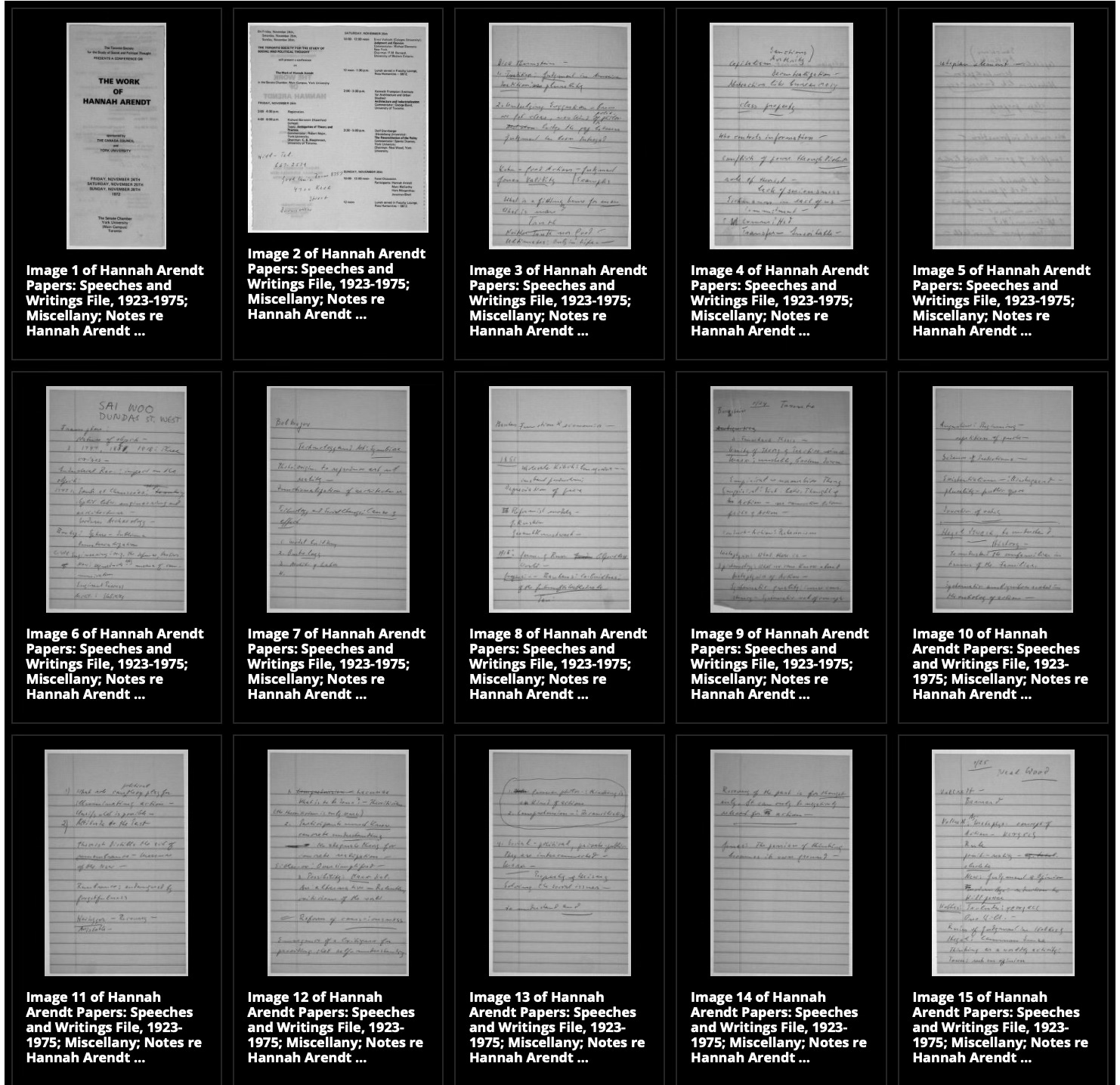
1950年11月,漢娜·阿倫特在美國聖母大學發表題為《Ideology and Propaganda》的演講(全文僅3600英文單詞),一年後,她把同一套洞見擴寫、實證、註腳、出版,成為《極權主義的起源》(1951年初版,1956年增補恐怖章,本位引自1966年版英文)第三部分「極權主義」。以下從「相同」與「不同」進行比較:
一、相同之處
現象的「新」與「最危險」
1950演講:「今天,意識形態與宣傳已成為政治上最重要、同時也最危險的工具。」(“today ideology and propaganda have become the most important and the most dangerous instruments of politics.”)
《起源》:「意識形態與恐怖已成為20世紀最原創、最危險的政治現象。」(“most original and most dangerous political phenomena of the twentieth century.”)現代謊言的質變
1950:「古代說謊者只想讓你相信某件特定事件;現代意識形態要你相信一切皆是歷史/自然法則的必然結果。」(“the ancient liar… a particular event… the modern ideologist… inevitable result of a law of nature or of history.”)
《起源》幾乎原句保留。意識形態最經典定義
1950:「意識形態就是把某個『觀念』的邏輯應用到歷史之上。」(“Ideology is the logic of an idea applied to history.”)
《起源》第十三章直接引用,成為全書最著名定義。知識分子的「無害→危險」轉折
1950:「只要還是少數知識分子的遊戲,意識形態就是無害的;一旦成為運動的組織原則,就致命。」(“harmless… as long as they remain the property of a few intellectuals… dangerous… organizing principles”)
《起源》原句保留。宣傳的核心機制
1950:「宣傳只在乎效果……只要反覆+邏輯一致,就能讓人相信任何荒誕。」
(“concerned with effectiveness… repeated often enough and presented with logical consistency”)
《起源》原句進入正文。極權理想臣民金句
1950:「不是狂熱的納粹或共產主義者,而是真假已無法區分的人。」
(“not the convinced Nazi or Communist, but people for whom the distinction between fact and fiction… no longer exists.”)
《起源》未改一字,成為最著名判斷。恐怖的本體論地位
1950:「恐怖不是手段,而是運動的本質本身。」
(“Terror is not a means to an end; it is the essence of the movement itself.”)
《起源》原句保留。對自由的終極攻擊
1950:「摧毀經驗與思考的能力……以消滅自由為代價的救贖。」(“destroy the very capacity for experience and thought… salvation through the abolition of freedom.”)
《起源》原句進入結論。防禦之道
1950:「頑強地堅持現實世界本來的樣貌。」(“stubborn insistence on the reality of the world as it is”)
《起源》保留核心詞「stubborn」與「reality」。
二、不同之處(從演講到巨著的飛躍)
兩者決定性的不同之處:
恐怖的定位:從「本質」升級為「本質+終極目的+永恆化」
1950年演講:「恐怖不是達成目的的手段;恐怖就是運動的本質本身。」(“Terror is not a means to an end; it is the essence of the movement itself.”)
《起源》1966年最終版:「恐怖是運動法則的實現;它的主要目的是讓自然或歷史的力量毫無阻礙地貫穿人類……恐怖作為極權統治的本質,只有在再也沒有人可以被恐怖時才停止。」(“Terror is the realization of the law of movement; its chief aim is to make it possible for the force of nature or of history to race freely through mankind… Terror as the essence of totalitarian domination ceases only when there is no longer anyone left to terrorize.” p. 465–466)集中營的缺席與爆炸性出現
1950年演講:完全未提及集中營。
《起源》1966年:「集中營是極權主義核心信念——一切皆有可能——被驗證的實驗室。」(“The camps are the laboratories where the fundamental belief of totalitarianism—that everything is possible—is being verified.” p. 437)集中營在書中被提升為極權主義的「中心機構」,並在第11章與第12章佔據約100頁篇幅。「有組織的孤獨」概念的誕生
1950年演講:僅說「原子化與孤獨」(atomization and loneliness)。
《起源》1966年:「有組織的孤獨是最危險的孤獨形式……它是極權運動的溫床。」
(“Organized loneliness is the most dangerous form of loneliness… It is the seedbed of totalitarian movements.” p. 478)對知識分子的語氣從寬容到批評
1950年演講:「意識形態只要仍是少數知識分子的財產,就是無害的。」(“Ideologies are harmless… as long as they remain the property of a few intellectuals.”)
《起源》1966年:「知識分子對意識形態的熱情,是極權運動興起的思想前提之一。」(“The enthusiasm of the intellectuals for ideology was one of the intellectual preconditions for the rise of totalitarian movements.” p. 159, 318)運動組織的分析深度
1950年演講:僅提「運動法則」。
《起源》1966年:「極權運動是原子化、孤立個體的大眾組織……其組織原則是前台組織的同心圓系統。」(“Totalitarian movements are mass organizations of atomized, isolated individuals… The organizational principle is the concentric system of front organizations.” p. 376–377)偽科學批判的篇幅與力度
1950年演講:一句話帶過。
《起源》1966年:用第10、11、13章完整考證達爾文主義、種族主義、馬克思主義如何被扭曲為「自然法則」或「歷史法則」。(p. 158–347, 458–479)對「科學與理性」的態度
1950年演講:仍保留理性作為潛在救贖。
《起源》1966年:「極權主義在掌權後把國家變成實現歷史或自然法則的工具……它荒誕卻看似無法反駁的主張是,它遠非『無法無天』,而是服從更高的法則。」(“Totalitarianism in power uses the state as an instrument for the realization of the law of History or Nature… It is the monstrous, yet seemingly unanswerable claim of totalitarian rule that, far from being ‘lawless’, it obeys a higher law.” p. 461–462)對「群眾」的社會學診斷
1950年演講:僅說「原子化」。
《起源》1966年:「群眾……來自高度原子化的社會碎片,其競爭結構與伴隨的孤獨原本僅靠階級成員身份才受到抑制……群眾人的主要特徵不是殘暴與落後,而是孤立與缺乏正常的社會關係。」(“The masses… grew out of the fragments of a highly atomized society whose competitive structure and concomitant loneliness had been held in check only by membership in a class… The chief characteristic of the mass man is not brutality and backwardness, but his isolation and lack of normal social relationships.” p. 316–317)結論
1950年演講:「唯一的防禦,就是頑強地堅持現實世界本來的樣貌。」
(“The only defense against them is the stubborn insistence on the reality of the world as it is.”)
《起源》1966年:「理解……就是行動的開始……新政治原則的希望在於新型政府的誕生。」(“Understanding… is the beginning of action… The hope for a new political principle lies in the birth of a new form of government.” p. 479)篇幅
1950年:3600字,純邏輯推演。
《起源》第三部分:約15萬字,500餘條註腳,涵蓋納粹黨檔案、蘇聯黨內文件、集中營倖存者證詞、報刊資料。
注:下面圖片並非《意識形態與宣傳》手稿,為1936年的一個手稿的一頁。
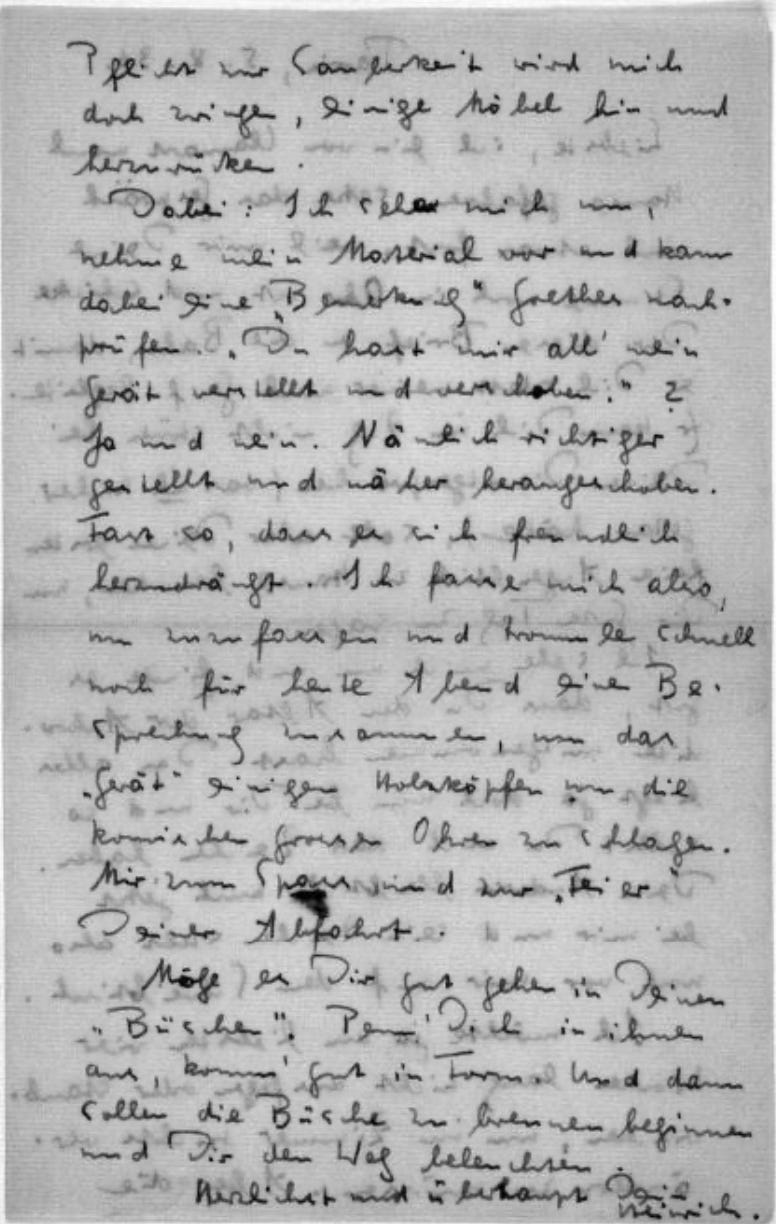
有趣的文献,有趣的对比。
一点吹毛求疵:
「今天,意識形態與宣傳已成為政治上最重要、同時也最危險的工具。」(“today ideology and propaganda have become the most important and the most dangerous instruments of politics.”)
从尊从原文和逻辑/文脉着眼,更合适/恰当/正确的翻译似应为:
“今天,意識形態與宣傳已成為政治的最重要、同時也最危險的工具。”
是的,以上两种翻译只有一字之差,即“上”与“的”之差。但这种看似微小的差别不可忽略不计。
“政治上危险”与“政治的危险”在内涵和外延上的巨大差异,应当是不言自明。